
Brent Crude Oil Morning Brief — June 26, 2026
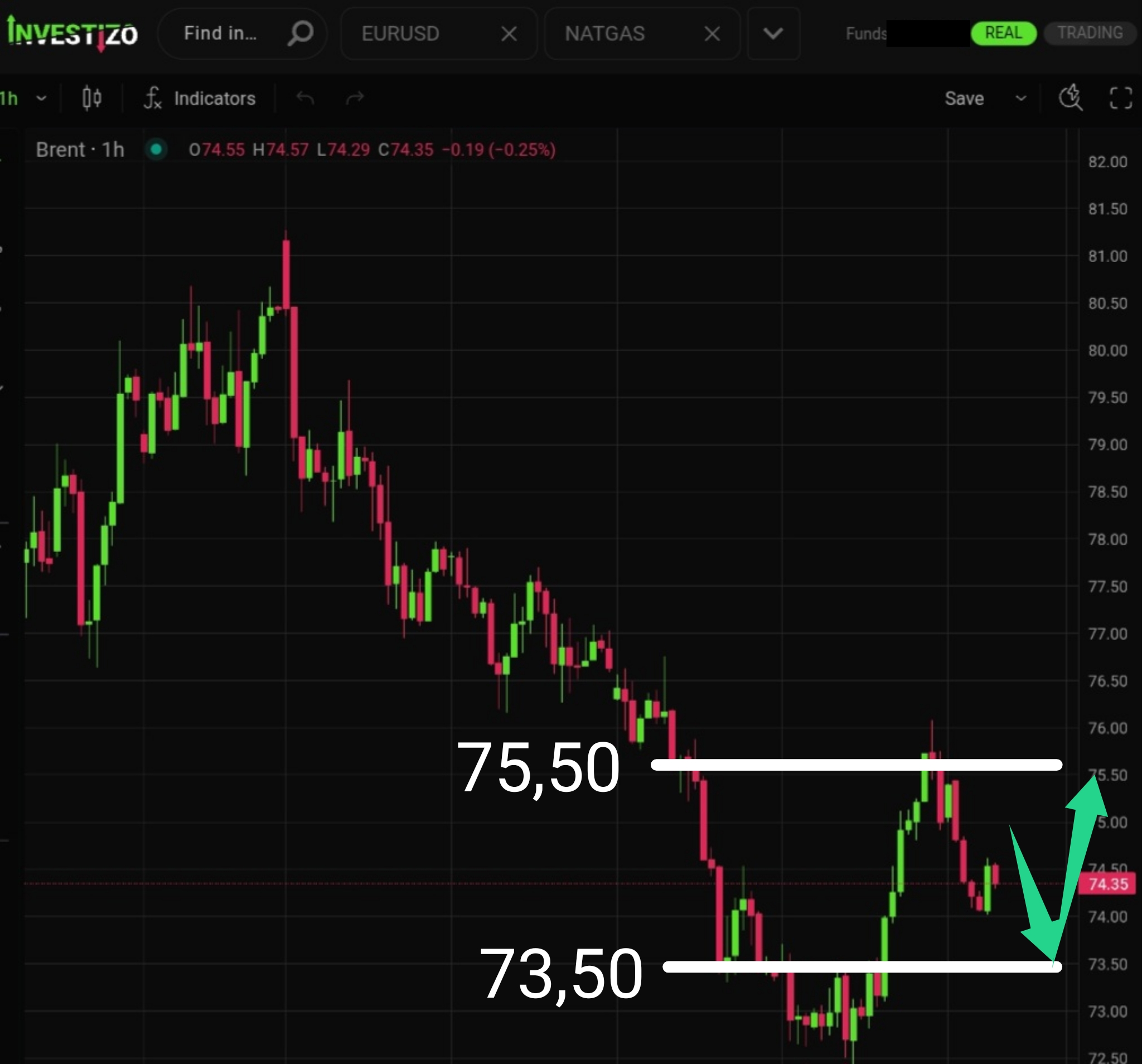
Brent crude is trading at $74.35 per barrel, consolidating just below the psychological $75.00 threshold as a volatile 24-hour cycle highlights the intense tug-of-war between structural physical oversupply and immediate geopolitical risk premiums. The prompt month staged a brief rally above $75.00 following a fresh security breach southeast of Oman, where an unidentified projectile struck a commercial vessel, damaging its hull and bridge. This attack, classified as a security strike by the UKMTO, shattered the fragile maritime confidence recently established by the US-Iran interim peace agreement. Hours prior to the incident, at least three commercial supertankers aborted their voyages and reversed course upon receiving radio directives from Iran’s Islamic Revolutionary Guard Corps (IRGC), while the Iranian Gulf Affairs Authority warned that unauthorized transits would be stripped of insurance and safe-passage guarantees. As the White House investigates whether senior leadership in Tehran sanctioned the strike, the International Maritime Organization (IMO) has suspended its vessel evacuation blueprint, noting that the targeted ship had veered off the mandated safe transit corridor, putting vital energy flows through the Strait of Hormuz back in jeopardy.
Simultaneously, internal cohesion within OPEC is facing renewed friction alongside imminent supply returns from major producers. Iraq, which had previously flirted with exiting the cartel, has finalized its decision to remain a member but will aggressively demand a higher production quota. Senior Iraqi officials disclosed that the nation faces a severe fiscal crisis after crude exports plummeted due to the war in Iran, framing a quota increase as an absolute financial priority. This impending push for higher production coincides with announcements from Saudi Arabia signaling its intention to resume crude exports from its massive Ras Tanura terminal, threatening to inject a substantial volume of physical barrels into an already saturated global marketplace.
This looming OPEC supply expansion collides directly with a severe structural demand retreat in Asia, forcing a massive realignment of global trade routes. China, the world’s premier crude importer, has drastically scaled back spot purchasing, leaving domestic refiners fully stocked through August and flipping traditional arbitrage flows on their head. In an unprecedented shift, roughly 12 million barrels of UAE and Oman crude across six supertankers are bypassing Asia entirely and heading to Europe, while Nigeria’s massive Dangote refinery has begun absorbing UAE barrels. This regional displacement has triggered a localized glut in the West, visibly evident as physical North Sea Brent cargoes trade at deep discounts to the futures benchmark – a textbook indicator of prompt oversupply that is capped only by an acute inventory deficit across the Atlantic, where total US crude inventories (including the SPR) have drained to their lowest levels since 1984.
Market Outlook: The path of least resistance points toward a test of near-term technical support levels at $73.80 and $73.50, as localized physical dynamics completely overwhelm temporary geopolitical spikes. In the absence of a verified, indefinite closure of the Strait of Hormuz, prompt oversupply will dominate the trading floor. Momentum indicators suggest that any short-covering bounces toward $75.50 are highly likely to hit institutional selling blocks, making faded rallies the tactical baseline for the upcoming sessions.