
Brent Crude Oil Morning Brief – June 19, 2026
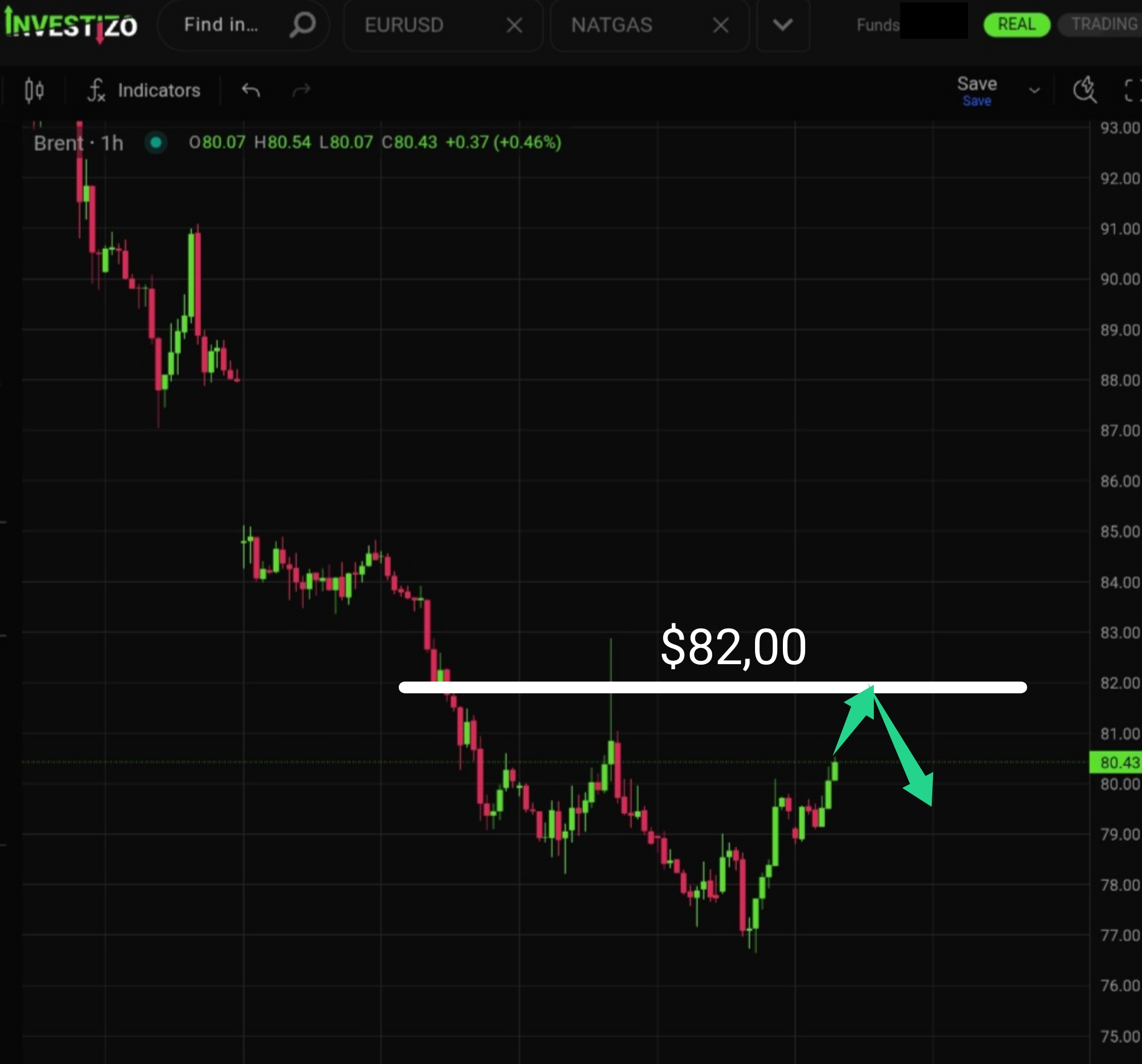
The abrupt cancellation of the diplomatic meeting between the United States and Iran has upended short-term supply expectations. The Swiss Ministry of Foreign Affairs confirmed today that the Friday negotiations in Switzerland will not take place, with Iranian state media pointing to ongoing military actions in Lebanon as the cause of the breakdown. This diplomatic collapse introduces an immediate geopolitical premium back into energy markets, reversing the downside momentum that followed earlier ceasefire optimism.
According to reports from Axios, the collapse of the Swiss summit highlights severe anxieties within Washington over depleted global oil inventories. The Trump administration had privately expressed concern that a continued blockade of the Strait of Hormuz could trigger a systemic global energy shock, which originally forced the U.S. into rapid negotiations under less-than-favorable terms. Currently, only about 1.3 million barrels per day of crude and petroleum products are transiting through the chokepoint. To fully stabilize international supplies, analysts estimate this volume needs to recover by an additional 13 million barrels per day by late July.
While the failed talks fuel near-term security premiums, tangible physical supply is returning to the market from nearby Gulf producers. The state-owned Kuwait Petroleum Corporation announced it has begun ramping up crude output faster than anticipated, pushing past 2 million barrels per day this week following rapid repairs to regional energy infrastructure. Furthermore, Bloomberg data suggests a broader production recovery across the Persian Gulf is on track to materialize by October, offering an impending physical buffer to counter the current diplomatic impasse.
This balance between immediate shipping constraints and returning supply arrives alongside OPEC’s newly released World Oil Outlook. Looking toward 2050, OPEC explicitly projects that global oil demand will grow by 19 million barrels per day, driven by developing economies. The organization notes that oil and gas will command over 50% of the primary energy mix mid-century, requiring a monumental $17.7 trillion in cumulative sector investments, while OPEC+ nations plan to increase their total supply by 13.9 million barrels per day over the same timeframe.
Market Outlook: Following the developments in Switzerland, Brent crude has recovered sharply to $80.43 per barrel, establishing a firm local floor at $77.02. The path of least resistance has shifted to the upside for the upcoming trading sessions. Immediate technical resistance is located at the $82.00 level, and a clean breakout above this marker is required to open the door for a sustained rally. On the downside, if the market begins to consolidate the recent gains, strong institutional buying interest is heavily clustered at $78.20, a key support level that is expected to absorb any localized selling pressure.